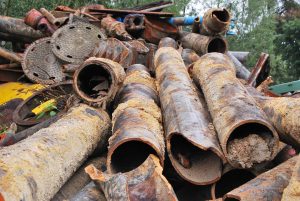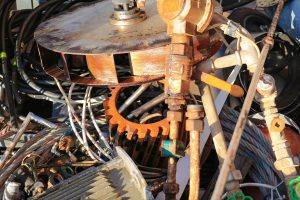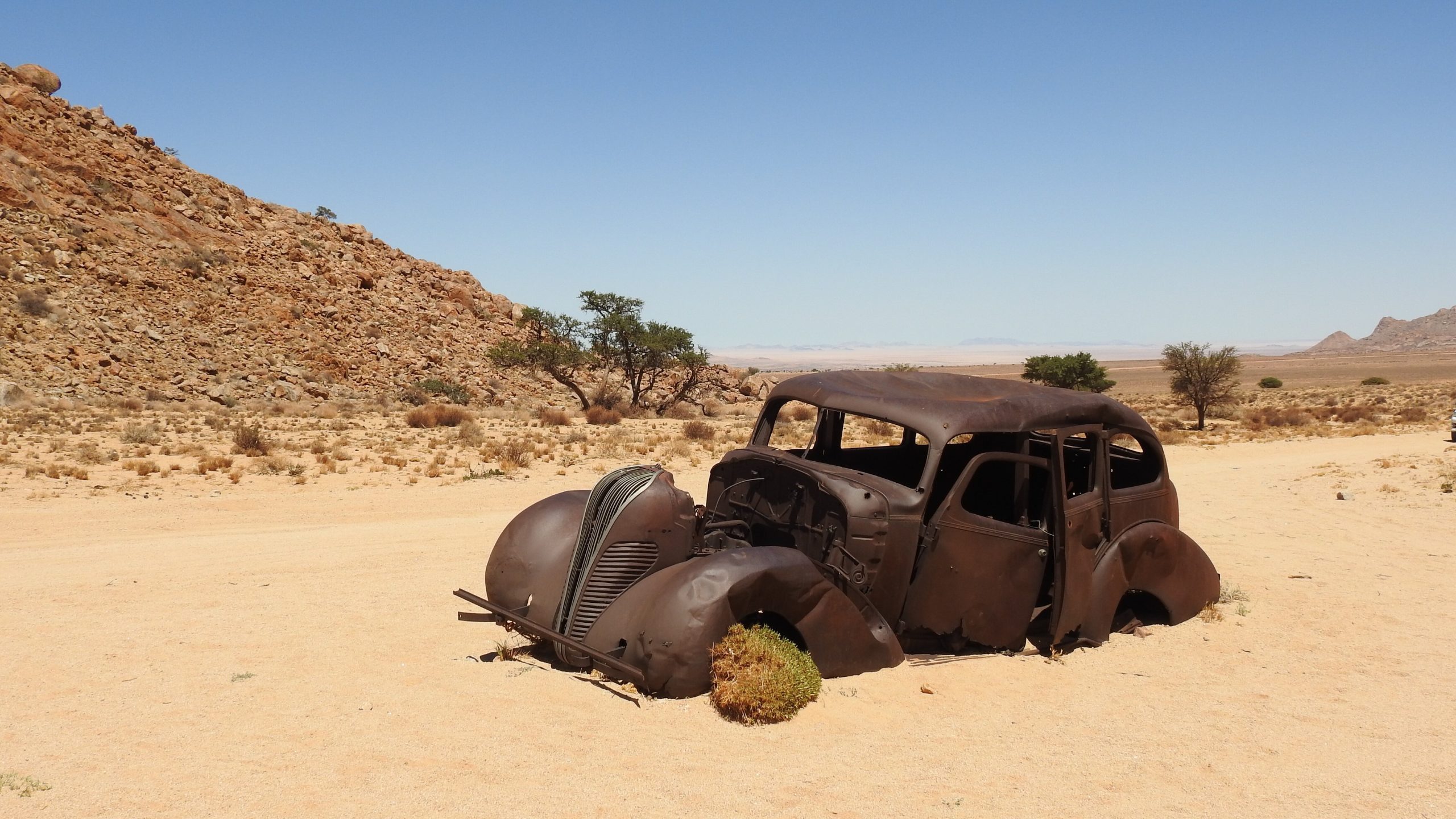
Most people look at scrap metal and see clutter. An old washing machine in the backyard, unused construction materials, damaged metal sheets, broken vehicle parts, or piles of industrial leftovers are often viewed as waste waiting to be removed.
But what many people do not realize is that these materials still hold remarkable value. Through metal recycling, materials that seem finished are transformed into resources that continue creating value again and again.
What appears to be waste today may become part of tomorrow’s buildings, vehicles, tools, and infrastructure. At A1 Scrap Metal Recyclers, metal is not treated as rubbish—it is treated as an opportunity.
Why Businesses Are Increasingly Prioritising Metal Recycling
Businesses generate large volumes of metal waste during daily operations. Without proper handling, these materials can create:
- Storage limitations
- Operational inefficiencies
- Higher disposal expenses
- Workplace congestion
Businesses increasingly view recycling as both a practical and financial decision. Industries benefiting from metal recycling include:
- Construction
- Manufacturing
- Automotive services
- Warehousing
- Demolition projects
- Industrial operations
Responsible material recovery helps improve workflow while reducing unnecessary accumulation.
Why Metal Is One of the Most Valuable Materials to Reuse?
Unlike many materials that degrade after repeated use, metal has an extraordinary advantage. It can often be recovered, processed, and reused without losing its core properties. This means many common materials can continue serving new purposes through responsible metal recycling processes.
Examples include:
- Steel
- Aluminium
- Copper
- Brass
- Stainless steel
- Iron
- Mixed industrial metals
Because of this unique characteristic, metal recycling has become one of the most effective ways to reduce waste while recovering valuable resources.
The Problem with Letting Scrap Metal Sit Unused
Unused metal does not simply disappear. Old materials left exposed to the weather often experience:
- Rust and corrosion
- Reduced material quality
- Occupied storage space
- Workplace clutter
- Safety concerns
- Declining recovery value
Whether at homes, construction sites, workshops, or industrial facilities, storing unwanted metal for too long creates unnecessary problems. What many people overlook is that these unused materials may still carry financial value. Recovering that value early often creates better outcomes.
Metal Recycling Is About More Than Waste Removal
A common misconception is that metal recycling only means cleaning up unwanted materials. In reality, recycling creates a complete value cycle.
Recovered metal contributes to:
- Manufacturing industries
- Construction materials
- Automotive production
- Infrastructure development
- Industrial equipment
Instead of extracting entirely new raw materials, industries can reintroduce recovered metals into production. This helps create a more efficient use of available resources.
The Hidden Economic Value of Scrap Metal
One of the biggest surprises for people entering the metal recycling process is discovering that unwanted metal can still generate returns. Items that many people overlook may contain valuable recoverable materials.
Examples include:
- Old fencing
- Vehicle components
- Factory equipment
- Metal roofing
- Electrical wiring
- Machinery parts
- Household appliances
The value often depends on:
- Material type
- Weight
- Purity
- Condition
- Current market demand
This means that what appears to be waste may still hold meaningful value.
How Metal Recycling Supports Smarter Resource Use
Modern industries depend heavily on raw materials. Extracting new metal requires extensive activity, including:
- Mining operations
- Transportation
- Material processing
- Industrial production
Through metal recycling, existing materials can return into circulation rather than relying entirely on newly extracted resources.
This creates a more efficient system where valuable materials continue contributing long after their original purpose ends. It turns one product’s end into another product’s beginning.
The Journey of Scrap Metal After Collection
Many people never think about what actually happens after metal leaves their property. The process is more advanced than most expect. Typically, recovered materials move through stages such as:
- Collection
Scrap materials are gathered from residential, commercial, and industrial sources.
- Sorting
Different metal categories are separated.
- Processing
Materials may be cleaned, cut, compressed, or prepared.
- Recovery
Reusable materials are extracted and refined.
- Reintroduction
Processed metal returns into manufacturing supply chains.
This process allows materials to continue serving practical uses instead of becoming long-term waste.
The Unexpected Space Benefits
One advantage people often underestimate is space recovery. Unused metal consumes valuable space that could be used more productively. Removing unwanted metal can help create:
- Cleaner work environments
- Improved property appearance
- More efficient storage
- Better site organization
- Increased usable operating space
Many property owners are surprised by how much room they recover after clearing accumulated metal materials.
Small Metal Recycling Decisions Create Long-Term Impact
People often assume meaningful environmental change only happens through large-scale projects. In reality, everyday decisions matter. Recycling old appliances, construction leftovers, industrial materials, and vehicle components contributes to a broader system of resource recovery.
Every piece of recovered metal reduces pressure on disposal systems while extending the usefulness of existing materials. Over time, these small actions create larger cumulative benefits.
Why Timing Matters in Metal Recovery
Waiting too long can reduce recoverable value. Exposure over time may lead to:
- Corrosion
- Material contamination
- Reduced quality
- Lower recovery potential
Acting earlier often allows more usable material to be recovered. This creates better outcomes both practically and financially.
Final Thoughts
Most people see scrap metal and think of removal. But the reality is far more interesting. Through metal recycling, old materials continue contributing value long after their original purpose ends. What looks like clutter today may become tomorrow’s infrastructure, manufacturing components, or industrial resources.
At A1 Scrap Metal Recyclers, the goal is not simply to remove unwanted metal—it is to unlock the value hidden inside it. If unused metal is occupying space on your property, there may be more opportunity sitting there than you realize.