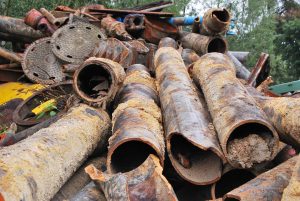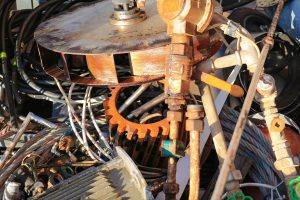
Metal Waste is often seen as something that has reached the end of its usefulness. Old machinery, damaged vehicle components, unused steel structures, and leftover metal from construction projects can take up valuable space when left unattended.
However, these materials may still have significant value when handled correctly. A professional metal recycling yard helps turn unwanted metal into reusable resources while supporting responsible waste management.
For businesses, workshops, construction companies, and individuals across Australia, understanding how metal recycling works can make disposing of unwanted materials more convenient and worthwhile.
A1 Scrap Metal Recyclers provides a practical solution for people looking to recycle scrap metal rather than allowing valuable materials to go to waste.
What Is a Metal Recycling Yard?
A metal recycling yard is a facility where unwanted metal materials are collected, sorted, processed, and prepared for recycling. Instead of sending every discarded metal item directly to landfill, recycling facilities identify materials that can be recovered and reused in manufacturing.
Different types of metal require different handling methods. Steel, aluminium, copper, brass, and stainless steel may all enter the recycling process, but their value and processing requirements can vary. A professional metal recycling yard helps manage these materials through an organised process, making it easier for customers to dispose of scrap metal responsibly.
Whether you have a small quantity of unwanted metal from a home renovation or a larger amount generated by an industrial operation, understanding the recycling process can help you make better decisions about disposal.
Why Metal Recycling Matters for Australian Businesses?
Businesses regularly generate metal waste through manufacturing, construction, vehicle maintenance, demolition, and equipment replacement. Without a suitable recycling arrangement, this waste can accumulate and create unnecessary storage and handling challenges.
Working with a metal recycling yard can help businesses manage these materials more efficiently.
1. Recover Value from Unwanted Metal
Scrap metal does not always need to be treated as worthless waste. Depending on its type, condition, quantity, and current market demand, it may have a recoverable financial value. For example, copper wiring, aluminium components, steel offcuts, and certain machinery parts may be suitable for recycling.
Businesses can assess their scrap materials and determine whether selling them to a recycler is a practical option. The amount received depends on the metal grade, weight, contamination, and applicable purchasing conditions.
2. Reduce Unnecessary Waste
Metal products can often be recycled and used as raw materials for new manufacturing processes. Recovering these materials reduces the amount of metal waste that would otherwise require disposal.
Choosing scrap metal recycling services over unnecessary disposal also supports more efficient resource use. For businesses that regularly generate scrap, establishing a consistent recycling process can make waste management easier to organise.
3. Create More Space at Worksites
Unwanted metal equipment, damaged components, and leftover materials can occupy valuable space in workshops, warehouses, and construction sites. A metal recycling yard provides an option for managing recyclable materials before they become a long-term storage problem.
Removing accumulated scrap can help businesses maintain more organised work areas and make room for equipment, inventory, and ongoing projects.
What Materials Can You Take to a Metal Recycling Yard?
Not all scrap metal is the same. Identifying the material correctly can help determine how it should be handled and whether it is accepted by a recycling facility.
Common recyclable metal categories may include:
- Ferrous metals: These contain iron and generally include steel and cast iron. Examples include metal frames, steel pipes, machinery components, and certain structural materials.
- Non-ferrous metals: These do not contain iron as their primary component. Copper, aluminium, brass, and some stainless steel grades are commonly handled separately because of their different properties and recycling markets.
- Automotive scrap: Unwanted vehicle components, metal panels, engine parts, and other recyclable automotive materials may be suitable for recovery, depending on their condition and the facility’s acceptance requirements.
- Industrial and commercial scrap: Manufacturing offcuts, metal equipment, machinery components, and production waste can also be suitable for recycling.
Before transporting materials, customers should confirm what the recycling facility accepts. Items containing hazardous substances, mixed materials, or restricted components may require special handling.
How Does the Metal Recycling Process Work?
A well-organised metal recycling yard follows several steps to prepare scrap metal for recovery and reuse.
Step 1: Collection and Delivery
The process begins when scrap metal is brought to the metal recycling yard or collected through an available service. The collection method depends on the quantity, type, location, and handling requirements of the materials. Smaller loads may be suitable for customer delivery, while larger commercial quantities may require a different arrangement.
Step 2: Inspection and Identification
Once the scrap arrives, it can be inspected to identify the types of metal present. Separating different materials is important because copper, aluminium, steel, and other metals have different characteristics and recycling values. The inspection process may also identify contamination, non-metal attachments, or materials that require additional handling.
Step 3: Sorting and Separation
Scrap metal is sorted into appropriate categories. Depending on the material, recycling facilities may use manual sorting, magnets, specialised equipment, or other separation techniques. Accurate sorting helps prevent different metal grades from becoming unnecessarily mixed and supports more effective downstream processing.
Step 4: Processing and Preparation
After sorting, metal may be cut, crushed, shredded, or compacted to make it easier to transport and process. The exact preparation depends on the type and size of the material. Some items may require very little processing, while bulky machinery or mixed scrap may need additional preparation.
Step 5: Recycling and Reuse
Prepared metal is supplied into appropriate recycling and manufacturing channels, where it can be processed into material for new products. The recycled metal may eventually become part of construction materials, vehicle components, industrial equipment, packaging, or other manufactured goods. This process helps extend the useful life of materials that might otherwise be discarded.
How to Prepare Scrap Metal Before Visiting a Recycling Yard
A little preparation can make the recycling process more straightforward for both customers and recycling facilities. Consider these practical steps before bringing your scrap metal to a recycling yard like A1 Scrap Metal Recyclers.
- Separate different metal types: Keep copper, aluminium, steel, and other identifiable materials apart where practical.
- Remove unnecessary non-metal attachments: If it is safe and appropriate, separate easily removable plastic, wood, or other unwanted materials.
- Separate different metal types: Keep copper, aluminium, steel, and other identifiable materials apart where practical.
- Remove unnecessary non-metal attachments: If it is safe and appropriate, separate easily removable plastic, wood, or other unwanted materials.
- Check for hazardous substances: Do not dismantle sealed, pressurised, or potentially hazardous equipment without suitable expertise.
- Estimate the quantity: Knowing approximately how much scrap you have can help when arranging transport or requesting information.
- Confirm acceptance requirements: Contact the recycling facility before bringing unusual, contaminated, or bulky items.
- Ask about current pricing: Scrap metal prices can change according to metal grade, market conditions, and quantity.
These steps can help avoid unnecessary delays and make it easier to understand how your materials will be assessed.
Final Wrap Up
Unwanted metal does not have to remain forgotten in a warehouse, workshop, garage, or construction site. With the right recycling arrangements, suitable scrap can be sorted, processed, and directed towards another use.
A1 Scrap Metal Recyclers helps customers explore practical options for managing recyclable metal materials. Whether you are dealing with leftover construction steel, unwanted machinery, automotive scrap, or metal offcuts from commercial operations, understanding your recycling options is a useful first step.
Instead of allowing recyclable metal to accumulate, consider contacting A1 Scrap Metal Recyclers to discuss your materials, accepted scrap categories, and current purchasing arrangements.
Make your unwanted metal count. Contact A1 Scrap Metal Recyclers to discuss your scrap metal recycling needs and find out how your materials can be put back into productive use.