Copper is not just another scrap metal. It is one of the few materials that holds value year after year, regardless of trends, technology changes, or market shifts. Long before recycling yards existed, copper was already being reused, reshaped, and traded. That history continues today, making the scrap value of copper one of the most stable in the recycling industry.
Unlike many materials that lose quality after reuse, copper can be recycled repeatedly without losing its strength or conductivity. This single fact explains why copper scrap is always in demand. Copper is everywhere, even when we don’t notice it.
It runs through walls as electrical wiring, carries water in plumbing systems, and sits inside appliances, motors, and electronics. As cities grow and technology advances, the demand for copper increases rather than decreases.
Because mining new copper is expensive and environmentally demanding, recycled copper fills a critical gap. This ongoing demand directly supports the strong scrap value of copper, even when other scrap metals experience price drops.
What Actually Determines the Scrap Value of Copper?
Many people assume all copper is valued the same, but this is a common misunderstanding. In reality, the scrap value of copper depends on several important factors that determine how easily it can be processed and reused.
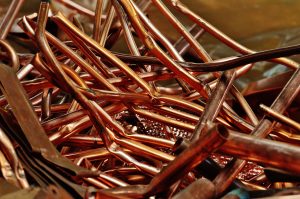
The first and most significant factor is purity. Clean, uncoated copper—such as bare bright wire or uncontaminated copper piping—commands the highest value because it requires minimal processing.
Copper that includes insulation, paint, solder, or other attached materials still holds value, but it must go through additional separation and cleaning. This extra work reduces its final price compared to clean copper.
The second factor is market demand. Copper pricing is influenced by global industries such as construction, electrical manufacturing, infrastructure development, and renewable energy projects.
When these industries expand, the demand for copper increases, directly boosting the scrap value of copper. When demand slows, prices may soften, though copper generally remains stronger than many other metals.
The third key factor is weight and volume. Copper is dense and heavy, meaning even small amounts can add up quickly. Compared to metals like steel or aluminium, copper delivers higher returns per kilogram, making it one of the most rewarding materials to recycle.
Together, these factors explain why copper remains one of the most valuable and reliable scrap metals in the recycling industry.
Why Choose A1 Scrap Metal Recyclers to Get the Best Scrap Value of Copper?
When it comes to selling copper scrap, choosing the right recycler makes a real difference. Not all scrap yards value copper the same way, and pricing can vary based on experience, transparency, and handling practices.
A1 Scrap Metal Recyclers stands out by offering a fair, professional, and reliable approach that helps sellers get the best possible scrap value of copper. One key reason to choose A1 Scrap Metal Recyclers is accurate grading.
Copper is carefully sorted based on type and condition, ensuring clean copper, pipes, wires, and mixed copper are valued correctly. This prevents underpricing and ensures you are paid according to what your copper is truly worth.
Another advantage is transparent weighing and pricing. Clear measurements and honest rates mean there are no surprises. Sellers can trust that the price offered reflects current market conditions and the real value of their scrap.
A1 Scrap Metal Recyclers also focuses on responsible recycling. Copper is processed efficiently, reducing waste and supporting environmental sustainability. This commitment benefits both sellers and the community.
With professional service, fair payouts, and industry knowledge, A1 Scrap Metal Recyclers makes it easier to turn copper scrap into maximum value—quickly, honestly, and responsibly.
Looking Ahead: Scrap Value of Copper in the Future
As technology continues to advance and infrastructure expands worldwide, copper’s importance is only expected to grow. It is a critical material for modern electrical systems, making it essential for electric vehicles, charging stations, renewable energy projects, and energy storage solutions. Solar panels, wind turbines, and smart power grids all rely heavily on copper to transmit electricity efficiently and safely.
Urban development also plays a major role in copper demand. New housing projects, transport networks, data centres, and communication systems require large amounts of copper wiring and components. Even as buildings become more energy-efficient, the need for reliable electrical connectivity keeps copper at the centre of construction and engineering plans.
Because mining new copper is costly and environmentally challenging, recycled copper has become increasingly valuable. Manufacturers depend on recycled material to meet demand while reducing environmental impact. This ongoing reliance strengthens the scrap value of copper, making it one of the most stable and dependable metals in the recycling market.
Unlike materials that become outdated as technology changes, copper adapts to new uses. Its durability, conductivity, and recyclability ensure it remains relevant across industries. This long-term demand suggests that the scrap value of copper is not just holding steady today but is positioned to remain strong well into the future, making copper recycling a smart and sustainable choice.
Final Thoughts
Copper is more than scrap. It is a reusable resource with lasting value. Understanding the scrap value of copper allows individuals and businesses to make smarter choices about waste, recycling, and sustainability.
When copper is recycled responsibly, everyone benefits—the seller, the recycler, and the environment. With A1 Scrap Metal Recyclers, copper is not treated as waste, but as a valuable material with a purpose beyond its first use.